

Addressing Discrepancies in CBSE Board Exams: A New Proactive Approach
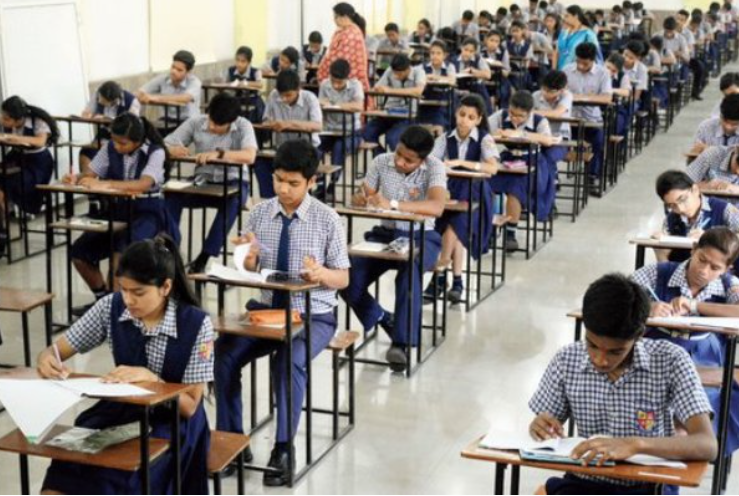
Getting through board tests is hard, and when students find mistakes or questions that aren’t on the syllabus, it can make things even more stressful. The Central Board of Secondary Education (CBSE), which is known for carefully making question papers that are in line with the NCERT course, agrees that handling differences needs to be done more effectively. As a result, CBSE has added a new method to make the test process better.Read more, Boost Your Score by 20%: Apply best Tips Time Management in the CBSE Board Exams
Traditional Challenges: Students as the Sole Identifiers
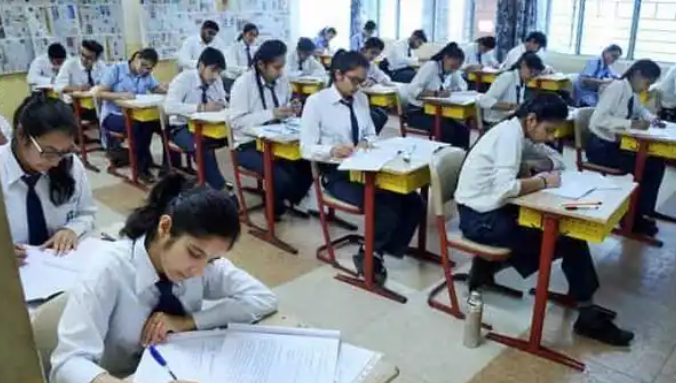
Traditionally, it was up to the students to find and report mistakes on tests. Even though this method was meant to be helpful, it sometimes caused too much stress and worry. CBSE has chosen a more joint and teacher-centred approach because they know this one has its limits.
Paradigm Shift: Empowering Teachers for Feedback
The Board has implemented a new method that relies on teachers’ knowledge, especially those in the 10th and 12th grades. The goal of this project is to use the information that teachers have to give quick and useful comments on question papers. The goal is to deal with problems before they happen and speed up the testing process.

Teacher’s Role: Evaluating, Analyzing, and Reporting
In this new method, teachers are in charge of grading question papers right after the test is over. Teachers have to do more than just rate the level of difficulty; they also have to give the board a full review report. This report includes important things like finding mistakes or wrong information, checking the quality of the print, and finding questions that aren’t covered in the course outline.
Fostering Collaboration: Strengthening Communication Channels
This move towards teacher-driven comments shows that CBSE wants to encourage openness and teamwork. By getting teachers involved in the review process, the board hopes to improve ways for teachers and the board to talk to each other, which will lead to a better and more error-free test experience.
Adaptive Measures: Departure from the Traditional Approach
In the old way of doing things, students were the ones who mostly pointed out mistakes on tests. This new system is very different. CBSE wants to make sure that its test process is honest and fair while also reducing stress for students by asking teachers for their opinions.

CBSE’s Commitment: Continuous Improvement and Responsiveness
Adding this new feature shows that CBSE is committed to always getting better and adapting to the changing needs of students and teachers. The board wants to build trust and faith in students studying for their board tests by listening to comments and changing with the times in education.
As the first organisation to use this teacher-centred feedback method, CBSE underlines its dedication to providing a fair, open, and stress-free testing atmosphere for all students nationwide.
Also, read
CBSE& Bold Plan to Transform Class 10 and 12 : 3 Languages, 1 New Grading System
Score high CBSE Board Exams: 20 Masterful Strategies for Writing Perfect Answers
Next article
How to Apply for JEE Main 2027: Registration Process, Documents & more